A bodyweight workout can be one of the easiest ways to start strength training because you do not need a full gym setup, a rack of dumbbells, or a complicated program to create a challenging session.
That simplicity is also what makes bodyweight training easy to underestimate. Push ups, squats, lunges, pull ups, glute bridges, and planks can all become legitimate strength exercises when the variation matches your current ability and becomes progressively more difficult as you improve.
For a beginner, that might mean starting with an incline push up or a basic squat. For someone with more experience, the same movement patterns can progress through harder leverage, single-leg variations, increased range of motion, slower tempo, or added resistance.
The important thing is not whether the resistance comes from a barbell or your own body. What matters is whether your muscles are being challenged enough to adapt and whether the routine gives you a clear way to keep progressing.
This guide breaks down how bodyweight training works, which exercises are most useful, how many sets and reps to perform, how often to train, how to make the exercises harder, and how to build a full body bodyweight workout that you can realistically maintain.
What Is a Bodyweight Workout?
A bodyweight workout uses your own body as the primary source of resistance instead of depending mainly on dumbbells, barbells, or machines.
Exercises such as push ups, squats, lunges, planks, and glute bridges can all fit into this type of training, which makes bodyweight workouts especially practical when you are exercising at home, traveling, or simply want a routine that requires very little equipment.
That does not mean the workout has to be easy.
The difficulty depends on the exercise variation, how much of your bodyweight you are moving, your range of motion, your tempo, and your current strength level. A wall push up may be appropriate for someone who is just starting, while a decline or resisted push up can challenge someone who has been training for much longer.
A balanced bodyweight workout can also cover most of the major movement patterns you would normally train in the gym. Push ups handle upper-body pressing, squats and lunges train the lower body, glute bridges challenge the hips, and planks train the core. Pulling movements such as pull ups or inverted rows can be included when you have access to a safe bar or anchor point.
The biggest advantage is accessibility, but convenience alone does not make a routine effective. You still need a balanced selection of movements, enough effort to make those movements challenging, and a clear way to progress as your strength improves.
Think of bodyweight training the same way you would think about any other resistance-training program: start with exercises you can perform well, build consistency, and gradually make the work harder over time.
Can You Build Muscle With Bodyweight Exercises?
Yes, you can build muscle with bodyweight exercises when the movement is challenging enough for your current strength level and continues to progress as you improve.
Your muscles do not care whether the resistance comes from a dumbbell, a machine, or your own body. They respond to tension, effort, and repeated training that becomes more demanding over time.
For someone new to exercise, basic bodyweight movements may provide plenty of resistance. A standard push up can be difficult enough to challenge the chest, shoulders, and triceps, while squats, lunges, and split squats can create substantial lower-body work without any additional load.
As those exercises become easier, however, the routine needs to change with you. Repeating the same movement for the same number of repetitions forever eventually gives your body less reason to adapt.
You can make bodyweight exercises harder by:
- Adding repetitions
- Increasing your range of motion
- Slowing the lowering phase
- Changing your leverage
- Moving to a harder variation
- Adding external resistance when it becomes useful
For example, someone may begin with incline push ups, move to standard push ups, and eventually progress toward decline or resisted versions. A basic squat can follow the same pattern by progressing toward split squats or more demanding single-leg exercises.
You also do not need to take every set to complete failure. Your sets should be challenging enough to require real effort, but turning every exercise into an all-out test can add fatigue without automatically producing better results.
Eventually, weights, resistance bands, or other equipment may make progression easier because they let you increase resistance in smaller, more measurable steps. That does not mean bodyweight training has stopped working. It simply means external resistance can become a useful tool when bodyweight progressions are harder to scale.
What Are the Best Bodyweight Exercises?
The best bodyweight exercises are not necessarily the most advanced movements you can find.
A better approach is to choose exercises that cover the major areas of the body, match your current strength level, and give you a clear path to progress.
A balanced bodyweight workout can usually be built around a few movement categories:
- Push ups: Chest, shoulders, triceps, and core
- Bodyweight squats: Quadriceps, glutes, and other lower-body muscles
- Lunges or split squats: Single-leg strength, balance, and lower-body control
- Glute bridges: Glutes and hip extension
- Pull ups or inverted rows: Back and biceps when a safe setup is available
- Planks or side planks: Core stability
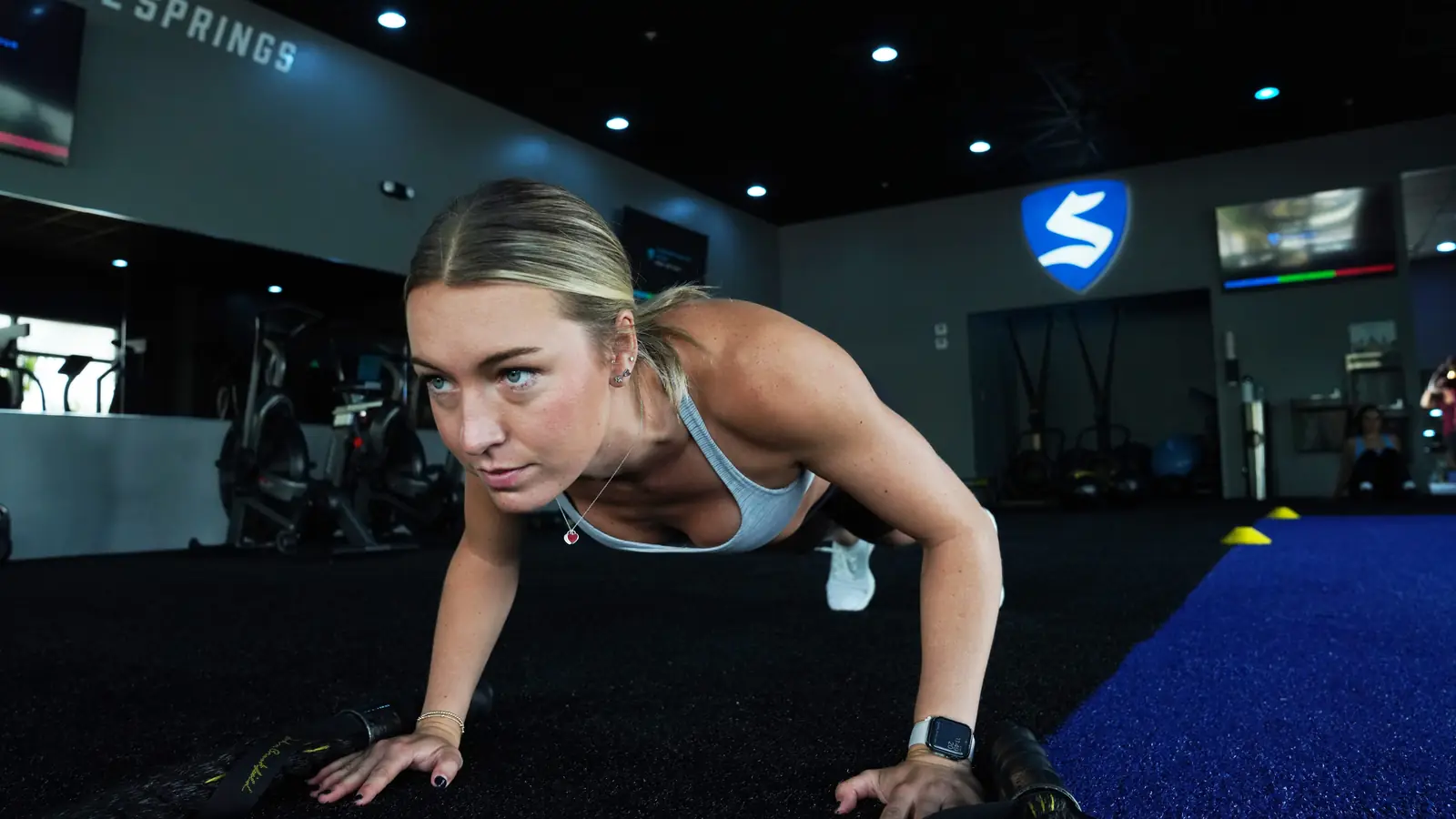
Push ups are especially useful because they train several muscle groups at once and can be modified for very different ability levels. If a standard push up is too difficult, you can begin with an incline variation. If it becomes too easy, you can move toward decline, resisted, or more advanced versions.
For the lower body, squats teach the basic squat pattern, while lunges and split squats place more of the work on one leg and can become significantly harder without traditional weights.
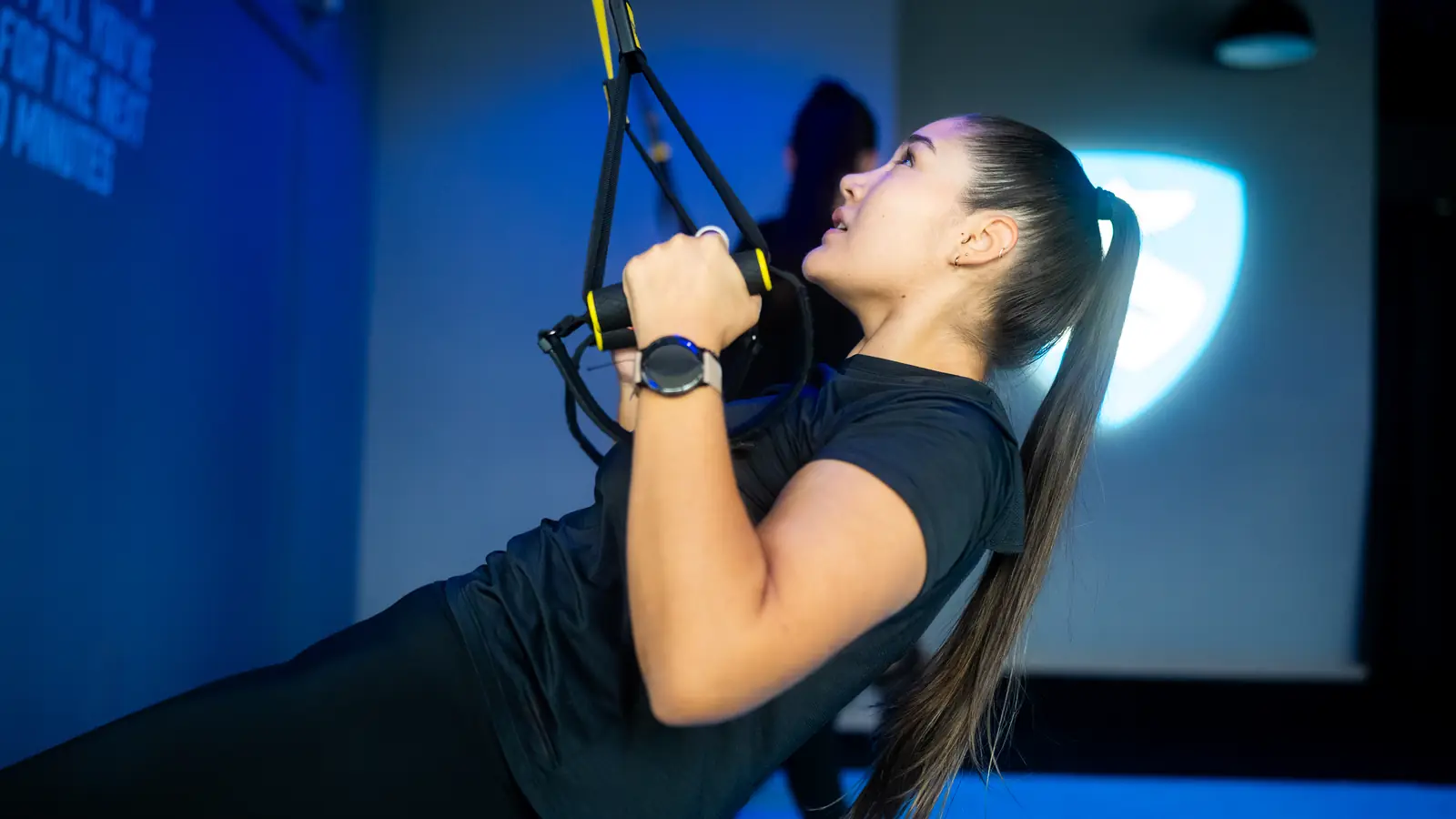
Pulling movements are one of the biggest challenges in a completely equipment-free routine because the back is harder to train without something safe to pull against. If you have access to a secure pull-up bar, suspension trainer, or another appropriate setup, pull ups and inverted rows can help balance the pushing work in your routine.
Core training can stay simple as well. Planks and side planks challenge your ability to maintain a stable trunk, and many compound bodyweight exercises already require your core to work throughout the movement.
You do not need 15 or 20 exercises to create an effective workout. A small number of movements that cover the major patterns and continue getting harder over time can take you much further than a long list of exercises you perform without any real progression.
Is Bodyweight Training Good for Beginners?
Yes. Bodyweight training can be a very practical starting point for beginners because it allows you to learn basic movement patterns, develop strength, and improve control without needing a complicated setup.
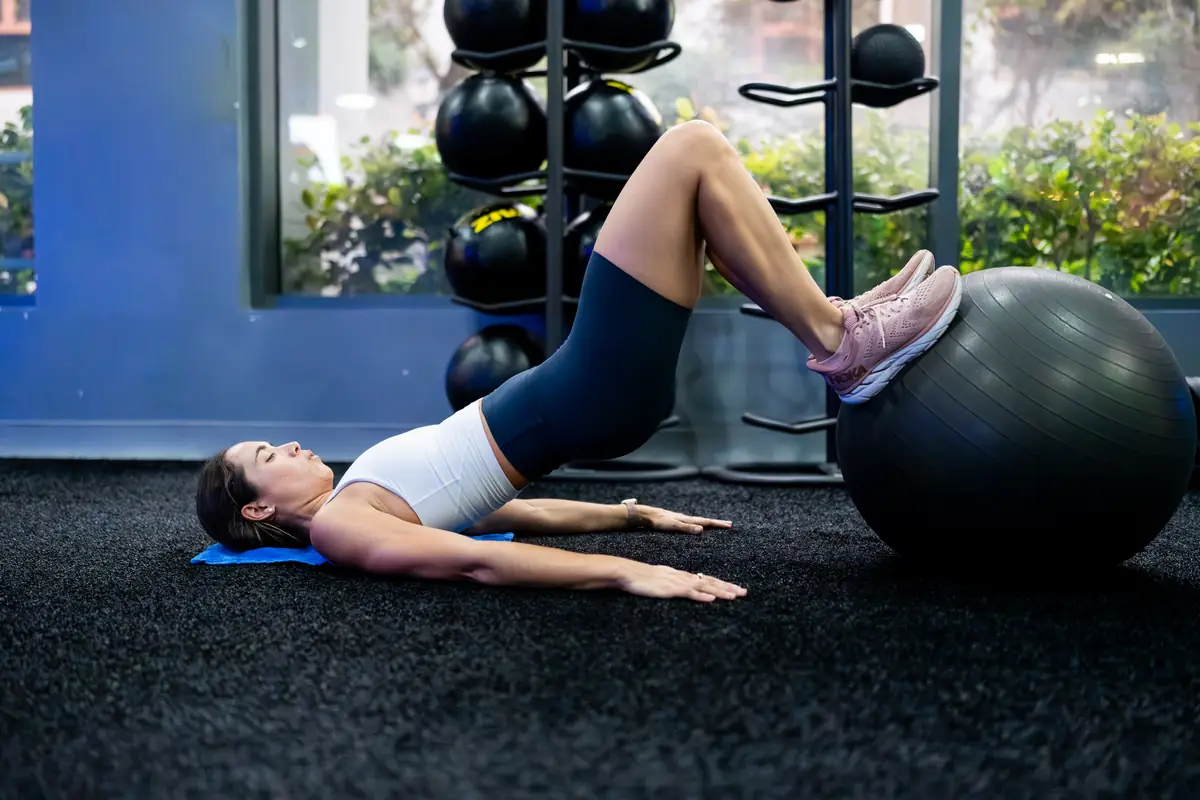
One of the biggest advantages is that many exercises can be scaled to match your current ability.
If a standard push up is too difficult, you can begin with a wall or incline push up. If a full lunge feels unstable, you can use support or start with an easier variation until your balance and control improve.
For someone who is new to training, the goal should not be to perform the hardest version of every movement. It is usually more productive to learn a small number of exercises you can control well, repeat consistently, and gradually make harder.
A beginner bodyweight workout might include:
- A squat variation
- A push up variation
- A lunge or split squat
- A glute bridge
- A pulling exercise when a safe setup is available
- A plank or another simple core movement
You also do not need to train hard every day just because the exercises use your own bodyweight. Two or three full-body sessions per week can be a very reasonable starting point because that gives you enough opportunities to practice the movements while still leaving room for recovery.
Bodyweight training is also not something you have to “master” before using dumbbells, machines, or other resistance. Beginners can start with bodyweight movements, weights, or a combination of both depending on what feels appropriate and what equipment is available.
The better question is not whether an exercise uses weights. It is whether the exercise matches your current ability and allows you to move with good control.
Can You Get Strong Without Lifting Weights?
Yes, you can get stronger without lifting traditional weights, especially when your bodyweight workout keeps becoming more challenging as your strength improves.
Push ups, pull ups, lunges, split squats, and harder single-leg movements all require your muscles to produce force against resistance. If those movements are difficult enough for you and you continue progressing them, they can build meaningful strength.
Bodyweight training is especially useful for developing relative strength, which is your ability to control and move your own body.
Progressing from an incline push up to a standard push up, performing your first pull up, or moving from a basic squat to a demanding single-leg variation are all clear examples of getting stronger even though you are not adding plates to a bar.
You can make bodyweight exercises harder by:
- Moving to a more difficult variation
- Increasing your range of motion
- Changing your leverage
- Adding pauses or slower repetitions
- Improving control
- Adding external resistance when useful
There is also a difference between becoming generally stronger and maximizing strength in a specific weighted lift.
If your goal is to bench press, squat, or deadlift as much weight as possible, eventually practicing those movements with external resistance becomes the more direct choice because strength is partly specific to the exercise you train.
That does not make bodyweight training less useful. It simply means the method should match the goal.
Instead of thinking of bodyweight training and weight training as competitors, think of them as tools you can use at different points in the same progression.
How Many Bodyweight Exercises Should You Do in One Workout?
There is no perfect number of exercises that every bodyweight workout needs, but for a general full-body session, around 4 to 6 well-chosen movements is a practical place to start.
The goal is not to make the exercise list as long as possible. It is to cover the important movement patterns without repeating the same type of work several times.
A balanced workout might include:
- A squat or lower-body movement
- A push up or other upper-body pushing exercise
- A lunge or single-leg movement
- A glute bridge or other hip-focused exercise
- A pull up or inverted row when you have a safe setup
- A plank or another core movement
You do not necessarily need all six every time.
A beginner may do well with four or five movements while learning the basics, while someone with more experience can add another exercise when it contributes something the routine is currently missing.
The number of sets matters too. Five exercises performed for two or three sets each can already create a substantial training session, while adding several more exercises may simply make the workout longer without making it more productive.
If your priority is strength or muscle, using a smaller number of challenging movements and giving yourself enough recovery between sets can make it easier to maintain good technique and effort.
If your main goal is conditioning, a circuit with more movements and shorter transitions may make sense, but that creates a different training effect.
A good workout should feel complete without feeling crowded.
How Many Sets and Reps Should You Do for Bodyweight Exercises?
There is no single sets-and-reps formula that works for every bodyweight movement because exercise difficulty can vary dramatically from one person to another.
For many beginners and intermediate exercisers, around 2 to 3 working sets per exercise and roughly 8 to 15 repetitions can be a practical starting point for movements such as push ups, squats, lunges, and split squats.
Those numbers are guidelines rather than rules.
Someone may only be able to perform four controlled pull ups while completing 20 bodyweight squats fairly easily. That does not mean one exercise is more effective. It simply means each movement creates a different level of resistance.
A simple way to think about it is:
- Harder strength-focused movements may use fewer repetitions
- Moderate exercises may fit well in the 8 to 15 rep range
- Easier movements may use somewhat higher repetitions
- Planks and other isometric exercises can be measured by time
What matters most is whether the exercise is still difficult enough to create a useful training stimulus.
If you can perform very high repetitions comfortably and the movement no longer feels demanding, progressing to a harder variation is often more useful than simply making the set longer.
You also do not need to take every set to complete failure. Your sets should require effort, but consistently pushing every exercise until another repetition is impossible can add more fatigue than you need.
The goal is not to chase one perfect number. It is to choose a rep range that makes sense for the movement and progress the exercise when that range becomes too easy.
How Often Should You Do Bodyweight Workouts?
For most beginners, doing a bodyweight workout 2 to 3 times per week is a practical place to start.
That gives you enough opportunities to practice the major movements, build strength, and establish consistency without making recovery unnecessarily difficult.
A simple schedule could look like:
- Monday: Full-body bodyweight workout
- Wednesday: Full-body bodyweight workout
- Friday: Full-body bodyweight workout
Those days are only an example.
If you are brand new to training, two full-body sessions can still be productive, especially when the exercises are challenging and you are able to perform them well.
As your experience grows, you can train more often if doing so helps organize your weekly workload. For example, you might eventually split upper- and lower-body training across four days rather than performing three full-body sessions.
More training days are not automatically better, though.
If adding another session causes your performance to keep dropping, your muscles remain unusually sore, or you are struggling to recover before the next workout, the extra session may be adding more fatigue than useful work.
Bodyweight exercises still count as resistance training. The best schedule is not the one with the most training days; it is the one that gives you enough quality work to make progress while still allowing you to recover and repeat the routine consistently.
How Do You Progressively Overload Bodyweight Exercises?
Progressive overload means gradually making an exercise more challenging as your body adapts.
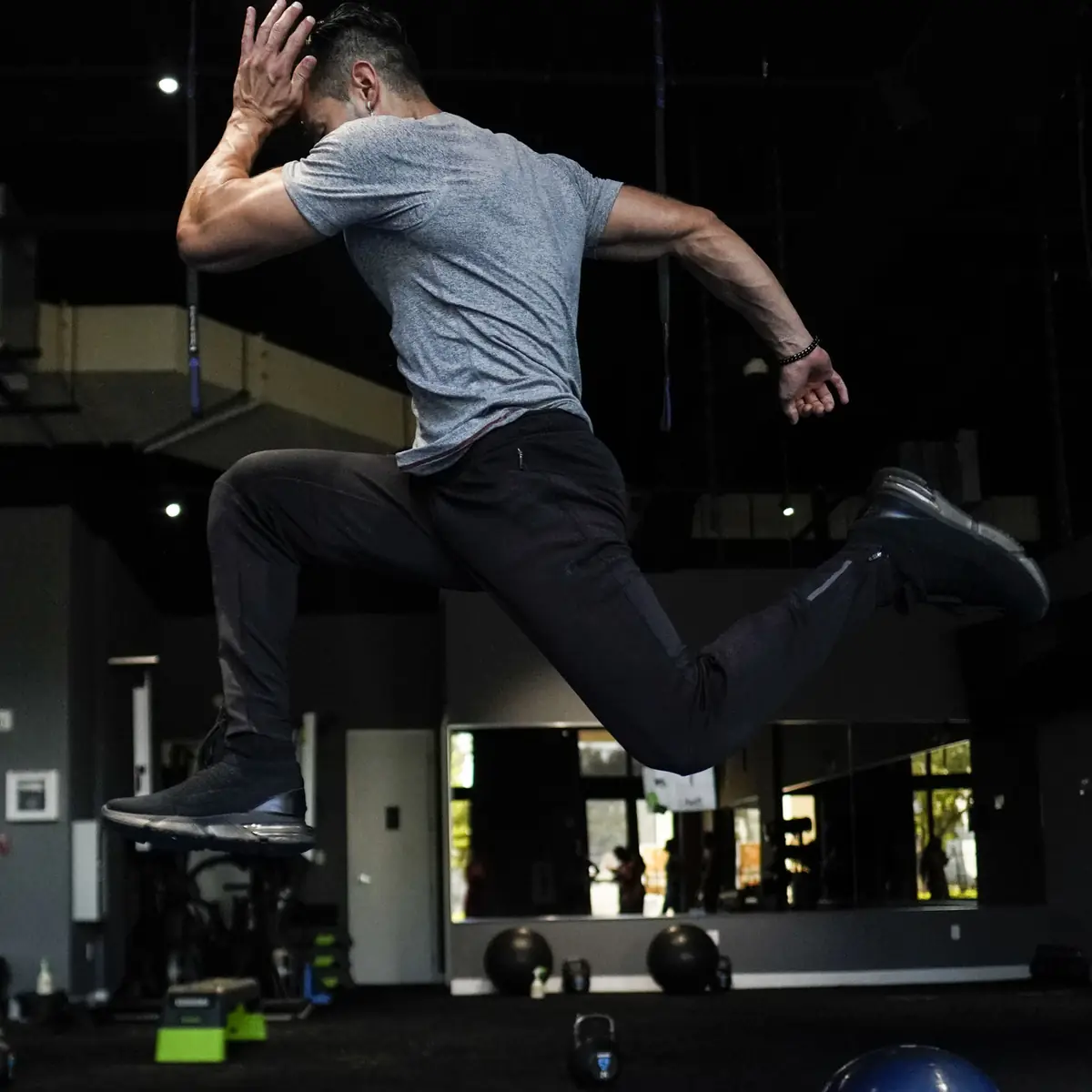
With a bodyweight workout, that does not have to mean doing more and more repetitions forever.
Adding reps is one of the easiest ways to begin. If you can currently perform eight controlled push ups, working toward 10 or 12 is a clear improvement. Once those repetitions become easy, however, it is often more useful to make the movement itself harder.
You can progressively overload bodyweight exercises by:
- Adding repetitions
- Increasing your range of motion
- Slowing the lowering phase
- Adding pauses
- Changing your leverage
- Reducing assistance
- Moving to a harder variation
- Using more single-leg or single-arm work when appropriate
- Adding external resistance when useful
For example, a push up progression might move from an incline to the floor and eventually to a decline or resisted variation. A lower-body progression might move from a basic squat to a split squat and then to a more demanding single-leg movement.
Range of motion and tempo can also help. A deeper split squat performed with control or a push up with a slower lowering phase can make a familiar exercise more demanding without replacing it completely.
You also do not have to avoid weights simply because the routine is bodyweight-focused. Once a movement becomes difficult to progress through leverage or exercise variations alone, a resistance band, weighted vest, dumbbell, or other form of resistance can provide a simple next step.
Progressive overload is not about making the workout feel harder in any way possible. It is about gradually asking your muscles to do more while keeping the exercise controlled and aligned with your goal.
Can You Do Bodyweight Workouts Every Day?
You can be active every day, but every day does not need to be a hard bodyweight workout.
Difficult sets of push ups, pull ups, lunges, split squats, and other bodyweight exercises can still create meaningful fatigue, so the same muscles may need time to recover before you train them hard again.
For most beginners, 2 to 3 structured full-body sessions per week is a sensible starting point. The days between those workouts can still include activity, but that activity can be lighter and focused more on movement or recovery.
For example:
- Monday: Full-body bodyweight workout
- Tuesday: Walking or light mobility
- Wednesday: Full-body bodyweight workout
- Thursday: Easy activity or recovery
- Friday: Full-body bodyweight workout
- Weekend: Rest, walking, mobility, or other activity
The important distinction is between moving every day and training hard every day.
A few easy squats, light push ups, mobility exercises, or a walk place a very different demand on your body than several hard sets taken close to your limit.
If you are more experienced and want to train more often, alternating the muscles you emphasize can help. One day might focus more on upper-body work and the next on lower-body movements, which allows you to stay active without placing the same areas under the same hard training stress every day.
Recovery should guide the schedule more than the fact that the exercises use your own bodyweight.
What Are the Most Common Bodyweight Training Mistakes?
Most bodyweight training mistakes happen when people assume that the normal principles of resistance training stop applying because they are not using weights.
Using Exercises That Have Become Too Easy
If you have been doing the same push ups, squats, or lunges for months and the movements no longer feel challenging, repeating the exact same routine may eventually limit your progress.
Instead of simply adding more and more repetitions, increase the range of motion, change your leverage, reduce assistance, move to a harder variation, or add resistance when it becomes useful.
Doing Endless Repetitions
Adding reps can be useful early on, but there is a point where performing 30, 40, or 50 repetitions may become more of an endurance challenge than the most practical way to build strength or muscle.
When the current version becomes easy, make the exercise itself harder.
Rushing Repetitions and Losing Technique
Moving faster can make a workout feel harder, but it does not automatically make the training better.
If your hips sag during push ups, your range of motion gets shorter, or you start using momentum to finish repetitions, slow the movement down or switch to a variation you can control.
Ignoring Pulling Exercises
Many bodyweight workouts contain several push-up variations, squats, lunges, and core exercises but very little direct back training.
If you have access to a safe pull-up bar, suspension trainer, or another appropriate setup, pull ups or inverted rows can help balance the routine.
Moving to Advanced Variations Too Soon
A harder movement is only useful when you can actually perform it well.
Progress when the current variation is controlled and no longer provides enough challenge, not simply because the next exercise looks more advanced.
Turning Every Workout Into a Fast Circuit
Circuits can be useful for conditioning, but a workout does not have to leave you completely out of breath to be effective.
If strength or muscle growth is the priority, enough rest to perform each exercise with good control can be more useful than rushing from one movement to the next.
Training Every Set to Failure
Your sets should feel challenging, but you do not need to continue every exercise until another repetition is impossible.
Taking every set to complete failure can create a lot of fatigue, especially across a full-body workout.
Doing Too Much Volume
Bodyweight does not mean low stress.
Several rounds of push ups, lunges, squats, burpees, and core exercises can create a large amount of total work even though no external weights are involved.
Ignoring Recovery
If your normal exercises repeatedly feel harder, your repetitions keep dropping, or your technique starts breaking down earlier in each session, adding more training may not be the answer.
Changing Exercises Too Often
Bodyweight training offers many variations, which can make it tempting to change your routine constantly.
Keeping a few core movements long enough to track your repetitions, range of motion, and exercise difficulty makes it much easier to see whether you are actually getting stronger.
A productive workout is not the one with the most exercises, the highest number of repetitions, or the least rest. It is the one that gives you a clear way to improve while still allowing you to recover and repeat the work consistently.
What Is a Good Full Body Bodyweight Workout?
A good full body bodyweight workout should cover the major movement patterns without turning the session into a long list of random exercises.
For most people, five or six well-chosen movements can be enough to train the upper body, lower body, and core while keeping the session manageable.
The exact exercise variations should depend on your current strength level. A beginner may use an incline push up and a basic squat, while someone more experienced might use a decline push up and a harder single-leg movement without changing the overall structure of the routine.
Beginner Full Body Bodyweight Workout
A simple beginner routine could include:
- Bodyweight squat: 2 to 3 sets of 8 to 15 reps
- Incline or standard push up: 2 to 3 sets of 6 to 12 reps
- Reverse lunge: 2 sets of 8 to 12 reps per leg
- Glute bridge: 2 to 3 sets of 10 to 15 reps
- Pull up or inverted row: 2 to 3 sets when a safe setup is available
- Plank: 2 to 3 controlled holds
This gives you a squat pattern, an upper-body push, single-leg work, hip extension, core training, and a pulling movement when you have the right setup.
If your goal is strength or muscle, give yourself enough rest between sets to maintain good technique and put real effort into the next set. Turning the routine into a nonstop circuit may increase the conditioning challenge, but that does not automatically make it better for strength.
Intermediate Full Body Bodyweight Workout
As you become stronger, the workout does not necessarily need to become much longer. In many cases, it makes more sense to make the exercises themselves harder.
An intermediate routine could include:
- Split squat or harder single-leg variation: 3 sets
- Decline or resisted push up: 3 sets
- Pull ups or harder inverted rows: 3 sets
- Single-leg glute bridge: 2 to 3 sets per side
- Additional lunge or lower-body variation: 2 to 3 sets
- More challenging plank or core variation: 2 to 3 sets
The difference between beginner and intermediate training is not that the intermediate workout needs twice as many exercises. The movements should simply become more demanding as your strength and control improve.
If an exercise is too difficult, choose an easier version you can perform well. If it becomes so easy that you can complete very high repetitions without much effort, move to a harder variation instead of making every set longer.
A good bodyweight workout should challenge you without leaving you so exhausted that it becomes difficult to repeat.
Final Takeaway
Bodyweight training works best when you treat it like real resistance training instead of a collection of random exercises you do whenever you do not have access to weights.
Choose movements that cover the major patterns, use variations that match your current ability, and keep those exercises challenging as you become stronger.
For some people, that may mean starting with incline push ups, basic squats, and short plank holds. For others, it may mean harder single-leg work, pull ups, decline push ups, and added resistance.
You do not need the longest workout, the most advanced variation, or the highest number of repetitions.
You need a routine that is challenging enough to create progress, balanced enough to train the whole body, and manageable enough that you can continue showing up and improving.
If you want coach-led strength training with clear structure, exercise guidance, and modifications based on your current fitness level, find a SWEAT440 location near you and see how a 40-minute workout can fit into your routine.
Book your first class free and experience the difference.
Frequently Asked Questions About Bodyweight Workouts
What is the best bodyweight workout for building strength and muscle?
A good bodyweight workout usually includes a lower-body movement, an upper-body push, a single-leg exercise, a hip-focused movement, a pulling exercise when a safe setup is available, and core work. The exact variations should match your current ability and become progressively harder as you improve.
Can you build muscle with bodyweight exercises?
Yes. Bodyweight exercises can support muscle growth when they provide enough resistance and continue becoming more challenging over time through harder variations, greater range of motion, changes in leverage, or added resistance.
How many bodyweight exercises should you do?
Around 4 to 6 well-chosen exercises is a practical starting point for a full-body workout. The goal is to cover the major movement patterns rather than make the exercise list as long as possible.
How many sets and reps should you do for bodyweight exercises?
For many people, 2 to 3 working sets per exercise and around 8 to 15 repetitions is a useful starting point, although harder movements such as pull ups may use fewer reps and isometric exercises such as planks may be measured by time.
How often should you do bodyweight workouts?
For most beginners, 2 to 3 full-body sessions per week is a practical starting point. More experienced exercisers can train more frequently when the workload is distributed in a way that still allows enough recovery.
Can you do bodyweight workouts every day?
You can be active every day, but every day does not need to be a hard resistance-training session. Challenging bodyweight workouts still require recovery, so lighter movement, walking, or mobility can fit between more demanding sessions.
Can you get strong without lifting weights?
Yes. Bodyweight exercises can build meaningful strength when the movements become progressively more difficult. External weights become particularly useful when you want to maximize strength in weighted lifts or when bodyweight progressions become harder to scale.
Do bodyweight workouts count as strength training?
Yes. When bodyweight exercises provide enough resistance to challenge your muscles, they function as resistance training. Push ups, pull ups, split squats, lunges, and harder bodyweight progressions can all be used to build strength.